
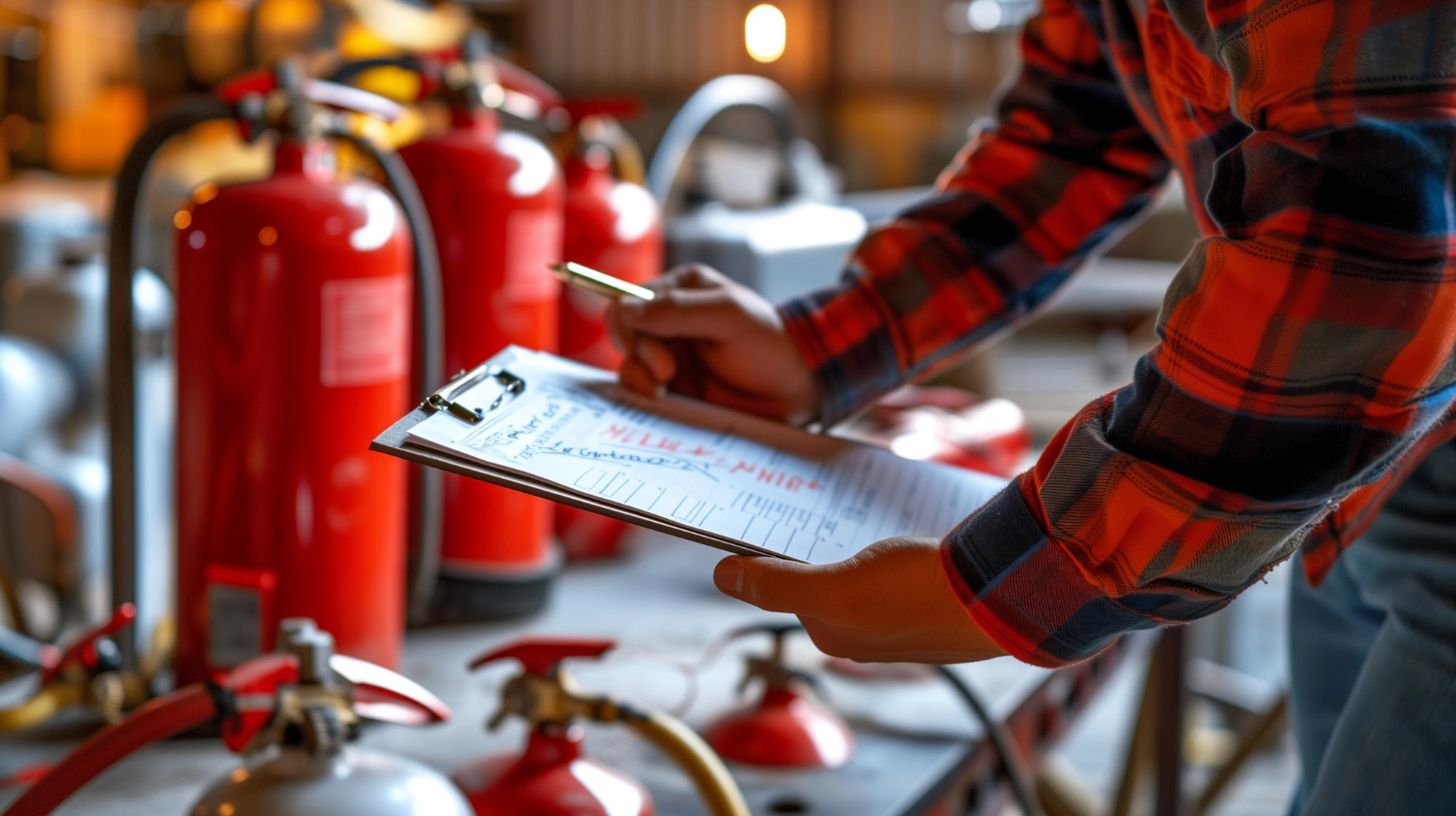
Preparing a fire risk assessment for converted flats is something we always take seriously, especially in winter when people rely more on heating and electrical use rises. These colder months can quickly bring extra hazards into homes, and converted flats are no exception.
Many older buildings across the UK have been split into flats over time. While this can create much-needed housing, changes like added partition walls or shared stairwells sometimes mean the escape routes or fire precautions are not as solid as they should be. It may not be obvious until a problem arises, which is why a fire risk assessment is more than a box ticked. It is a way to check what is safe, what needs fixing, and how to stay ahead of problems that could put people in danger.
Know the Building’s Layout and Use
We start by looking at how the flat has been shaped from the original building. In many converted houses, it is not just one or two changes. In many converted houses, several changes occur, including new doors, extra rooms, and blocked corridors that affect escape routes.
Take a close look at:
• How each flat connects to shared areas, including doors and internal hallways
• Whether the original walls still act as fire barriers, especially around kitchens or boiler cupboards
• Whether people use those spaces in the way they were designed
In winter, tenants often bring extra heaters or rearrange rooms without notifying anyone, sometimes blocking radiators with furniture or hanging clothes near heaters. We make it a point to map out real use, not just planned layouts, because what people do day to day matters during an evacuation. Converted buildings and HMOs are treated as higher risk homes during an assessment, so any weaknesses in the way the layout now works are given particular attention.
Spot the Common Fire Hazards in Converted Flats
Converted flats carry their own set of risks. These spaces might look like typical homes, but the way they were put together can leave gaps in fire protection.
Here are the usual things we see:
• Old wiring that was never updated when the building was converted
• Double socket points added to walls without proper load checks
• Shared spaces like lofts used for storage, creating both clutter and fuel for a fire
People often bring in small space heaters or extra appliances during the winter. We have seen flats with three or four tenants all plugging in fan heaters, electric blankets, or air fryers in underwired areas. These kinds of setups overload circuits and raise the chance of a fire.
Portable heaters are one of the biggest risks in colder weather, especially low-cost ones. They are often placed close to bedding or curtains, which can catch fire quickly if left unattended.
Review Fire Detection and Escape Measures
Once we understand the layout and common risks, we look closely at how well the property alerts people in a fire and helps them get out.
A proper review checks:
• If smoke alarms are in each unit and shared hallway
• Whether heat alarms are installed in kitchens
• That fire doors shut on their own and are clearly marked
A full assessment looks not only at these points but at ignition sources, escape routes, fire detection, evacuation arrangements, and existing fire protection across the building, and then brings the findings together in a clear, written report with recommended remedial actions and realistic timescales.
In taller buildings or those with more than two flats, we sometimes see missing or broken emergency signs. In darker months when visibility is lower in the early morning or evening, this makes a big difference.
We check escape lighting too. If the power goes out during a fire, tenants still need to see their path to the door. In places where staircases twist or turn, a single broken light can slow everything down when time matters most.
Fire doors are another area we always inspect closely. In some properties, tenants wedge these open for airflow or convenience. These shortcuts break the barrier that stops fire from spreading, especially between floors.
Keep the Fire Risk Assessment Up to Date
Carrying out a fire risk assessment is not something we do once and forget. These checks only help if they match the way the property is being used right now.
Here is when we review or repeat an assessment:
• Anytime the flat layout changes, even if it is something small like removing a door
• When someone installs new appliances or heating systems
• Just before high-use periods like December where added risks build up
We treat December as a natural checkpoint. Extra wiring from decorations, added plug-ins, more people cooking indoors, and blocked exits from storage buildup all increase during this month. A winter-ready fire risk assessment for converted flats should keep these seasonal changes in mind.
Some councils might ask for updates more often, especially if the building is under licence. Staying ahead is always the safer choice.
Helping Tenants Do Their Part
We can make the building safer in all kinds of ways, but tenants still need to follow the rules. That means thinking about how they use space, electricity, and heating as part of the fire plan.
We have found it helps to give clear directions:
• Simple house rules about not blocking exits or overloading extension leads
• Signs near shared corridors reminding people not to wedge open fire doors
• Reminders to report broken smoke alarms, hallway lights, or blocked access
In winter, tenants often keep doors shut, hang items on heaters, or store belongings in hallways, all of which impact fire safety. For managed buildings, Embershield can work directly with property managers and residents to confirm that appropriate fire safety equipment is fitted and maintained.
A helpful tip is to include key fire information in the welcome pack and perform a casual walk-through several times a year to prevent small risks from becoming big ones.
A Safer Flat Means Fewer Surprises
Some flats might look quiet on the surface, but even small issues can turn serious without warning. Old wiring, blocked hallways, broken alarms, or the wrong appliances all add up, especially in converted homes that were never designed for multiple households.
We have learned that keeping ahead of seasonal risks and regular changes makes all the difference. When we pay attention to how people live, what gets added to the space, and where escape routes lead, we catch problems early.
Shared homes carry shared risk. But with a proper fire check, clear rules, and an up-to-date plan, we can make flats safer for everyone, without waiting for something to go wrong first.
Staying ahead of safety issues in a shared building takes more than good intentions. When we plan around real use, regular changes, and how winter habits affect day-to-day risk, keeping everyone protected becomes easier. For owners and managers of split homes, a proper fire risk assessment for converted flats is one of the best ways to spot early warning signs before they escalate. At Embershield, we create checks that reflect how buildings are truly lived in, so now is the time to get in touch.