
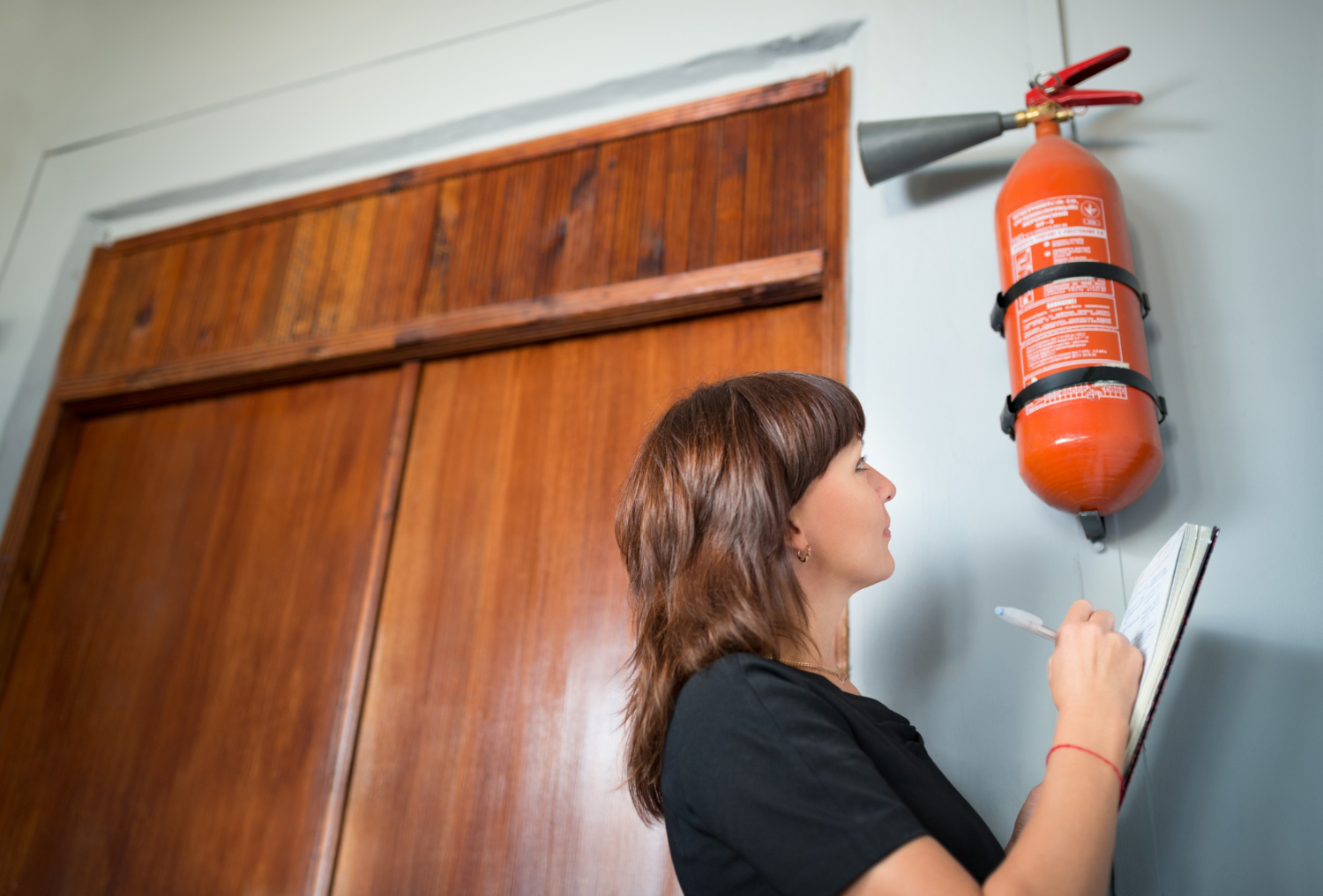
Keeping people safe in retirement flats and care homes takes more than a set of rules on paper. These buildings are homes, often filled with older adults who may need a bit more time and support to move around. That’s why fire safety isn’t just about ticking boxes. It’s about protecting lives. A retirement home fire risk assessment is one of the key ways we spot problems early and plan ahead.
The colder months only raise the stakes. Portable heaters come out, curtains are drawn tight, and buildings tend to stay shut without much fresh air. It’s the kind of seasonal shift that can push a safe property toward higher fire risk if no one’s paying close attention. In this guide, we’ll go through what should be checked, how assessments work, and why regular reviews matter in these shared living spaces.
Legal Fire Safety Basics Every Manager Should Know
Anyone responsible for a retirement property or care setting needs to know where they stand legally. Fire safety law puts clear expectations in place for these types of homes, and those rules are not optional. They are the base level of safety that all residents rely on.
Managers and property owners need to:
• Keep all escape routes free from clutter
• Install working smoke alarms and emergency lighting where required
• Test systems regularly and make sure all equipment is fit for use
Staff should know what to do if something goes wrong during a shift, and residents should understand the basics, too. The goal is not to make everyone an expert, but having a shared awareness helps when seconds matter. Training, signage, and simple routines all play a part. Embershield is led by fire safety consultant Robert Green, who has over 16 years of experience in the fire safety industry following careers in the British Army and Hampshire Fire and Rescue Service, and that depth of experience can help managers put their legal duties into practice in a realistic way.
Common Fire Hazards in Retirement Properties
Some risks tend to come up again and again in shared retirement spaces. Most of them are preventable, but that only holds true if someone’s watching for signs before they turn serious.
Keep an eye out for everyday hazards like:
• Extension leads that are overloaded
• Heaters placed too close to furniture or curtains
• Faulty plugs or old appliances still in use
As winter settles in, there is added pressure on systems that keep people warm. Electric blankets, gas fires, and portable heaters all get more use, which means more chances for things to go wrong. Blocked ventilation or dust build-up around heating units can quietly increase danger.
Then there are the risks that come with shared areas. Residents might bring food into lounges, use a communal kitchen, or smoke in designated corners. Each of those habits adds a layer of fire risk that needs to be managed carefully and consistently.
What Happens During a Retirement Home Fire Risk Assessment
A fire risk assessment is more than someone walking around with a clipboard. It is a full review of how a property stands up to risk in real-life terms. We start by looking at how fire might start, where it could move, and how people would get to safety. In line with Embershield’s wider approach, that review covers structural, mechanical, procedural, and behavioural fire safety measures, not just the obvious hazards.
During a check, the following areas get close attention:
• Stairwells, corridors, and emergency exits
• Alarm systems and fire detection setups
• Signage, fire doors, and whether escape routes are easy to follow
The aim is to get a clear view of where the risks are and what is being done to lower them. Once that picture is in place, action plans can be built around it. That often includes assigning roles to staff, updating evacuation procedures, and fixing any issues that show up.
Regular checks and honest reports lead to better planning. It saves time later when something needs to be addressed quickly because the groundwork is already there.
Keeping Your Checks Up to Date Through the Seasons
Fire safety cannot run on autopilot. Even the best setup will slowly slip out of date if it is left untouched. This matters even more during seasonal changes. Winter means more time spent indoors, extra layers of clothing, and different habits that shift how people use space around them.
Buildings age, too. Door closers wear out, signage fades, and layouts change after upgrades or repairs. These changes can creep in slowly, making it easy to overlook something that once met requirements but no longer does. Working with a specialist consultancy that already supports residential and commercial clients such as landlords, managing agents, and facilities management companies can help keep these checks aligned with how the property is actually being used.
That’s why it is good to make risk reviews part of the calendar. Doing a once-a-year review, checking safety changes after large renovations, or revisiting plans after big staffing changes can keep things current. When fire safety policies match the way the building is actually used, everyone is better off.
Staying Ahead of Fire Risks in Communal Living Spaces
Living in a shared space means fire safety cannot fall on one person’s shoulders. Staff, residents, and property managers all have a role in keeping things safe day to day.
Here are some habits that keep everyone more aware:
• Use whiteboards or posters to flag safety checks and system tests
• Host quick refresher talks for staff on using fire equipment properly
• Set reminders for regular checks on heaters, light fittings, and plugs
Clear communication means fewer surprises. When people know where alarms are and what to do if one goes off, response times are faster and less stressful. In some cases, working with outside experts might bring an experienced eye to risks that are easy to miss when you see the space every day. That collaboration can be useful, especially in older buildings or ones with layout changes.
Safer Environments Start with Regular Checks
Making a retirement flat or care home safer does not always take big changes. Most of the time, it is about staying active with the checks we already know matter. When the focus stays on day-to-day practices, updates can happen when they are needed, not just after issues appear.
A regular retirement home fire risk assessment creates chances to spot trouble early and correct the course when something slips. Add in good staff communication and seasonal habits, and you are giving your property a stronger base for safety. Keeping things ticking along now helps prevent the kind of problems that show up when it is too late to fix them fast.
Staying on top of fire safety checks in care settings takes planning, clear roles, and timely updates. At Embershield, we make the process straightforward by focusing on what matters most, the people who live and work in these buildings every day. A regular retirement home fire risk assessment can reveal overlooked hazards and help turn small changes into lasting improvements. Whether you are reviewing your safety processes this winter or require support with compliance, we would be happy to talk through your options with you.