
A fire risk assessment for blocks of flats looks at how safe a building is if a fire breaks out. It’s a check that shows which parts of the building are safer, and which ones could be dangerous in the wrong conditions. Every part of a flat or hallway plays a different role when something goes wrong, so the risks vary.
Some areas will have more hazards than others. This can be a result of how the space is built or how people use it. In winter, there is more time spent indoors, more heat in the building, and more chances for something to go wrong. That is why it is important to look a bit closer now. As a UK fire safety consultancy, we carry out comprehensive fire risk assessments for commercial and residential properties, including blocks of flats. Knowing where the highest risks are inside a building helps everyone stay safer, whether they live there, work there, or just visit.
Zones That Matter Most in a Fire Assessment
Not all spaces in a building behave the same when a fire starts. Some zones need more attention than others. When we carry out a fire review, we always look at three areas right away. These are the shared paths that people use to leave the building, where most activity happens, and where fire could spread quickly.
Let’s break that down. Here are the most common zones we check first:
- Stairwells and entryways, because they are the main escape routes
- Shared hallways, especially those that connect multiple flats or lead to doors
- Living rooms and kitchens, where heat, electricity, and appliances are often together
Kitchens are a big focus. That is usually where cooking happens, and even small issues like a faulty cooker hood or damaged socket can become a problem fast. Living areas often have plug-in heaters, leads stretched across the floor, or candles that get forgotten. If it is a house that has been converted into separate flats, it may not have fire doors separating these spaces. In that case, one person’s flat can quickly affect another.
Shared areas matter just as much. These are the parts of the building everyone uses. If the only route out has boxes, bikes, or worn-out lighting, the danger goes up quickly. These are spots where a well-placed light and a working alarm can really make the difference.
What Makes One Area Riskier Than Another
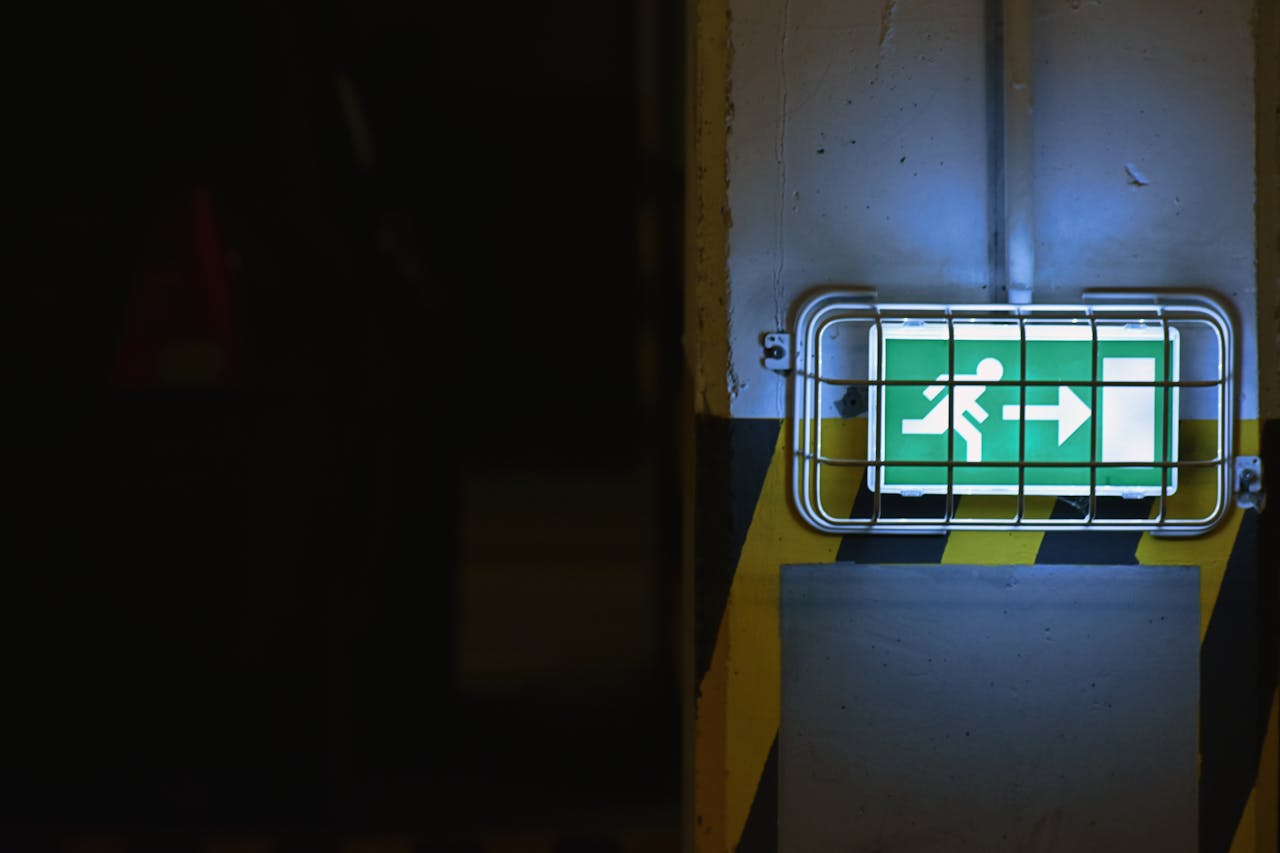
Some factors increase the risk in certain parts of a building. We pay extra attention when we see blocked exits, missing signs, or broken lights. These details might seem small on their own, but if there is an emergency, they can slow people down or cause confusion.
There are certain things we watch for again and again:
- Fire doors that will not close or are left propped open
- Wiring that runs along floors or under rugs
- Wall or floor materials that catch fire more easily, like timber cladding or thin plywood
It is not just about structure. How people use a space changes the fire risk too. For example, someone might place a heater too close to curtains or use a multi-plug adaptor with too many devices. Drying clothes on radiators or heaters is another habit that happens during winter and can be more dangerous than it looks.
When we review blocks of flats, we observe how each space is used and what is commonly left near potential ignition sources. It makes a big difference. Being familiar with the routines of the people inside helps us spot unsafe changes that might go unnoticed.
Seasonal Risks to Watch for in February
February is one of those months when fires tend to happen indoors. Most people have the windows shut tight, heaters running longer, and more things plugged in throughout the day. This all increases the fire load in a home or shared building.
There are a few patterns we keep an eye on during this time, including:
- Portable heaters pulled out of storage and used close to fabrics or bedding
- Electric blankets left on for too long or folded while hot
- Hallways filling up with wet coats, muddy boots, and bikes near the fire exit
It is cold, so people want to stay warm. But some of those efforts can quietly introduce risks, especially in buildings already tight on space. A bag left in front of a socket, or a coat hung near a heater, may not seem like a big deal at first. But add in flammable materials and long use hours, and the situation can change quickly.
We always suggest treating shared hallways and stairwells like active escape zones. These must be clear, well-lit, and free from temporary storage, even during the colder seasons.
Spotting Hidden Problems Before They Turn Serious
Some risks are not obvious unless you know where to look. Ceiling voids, gaps in floors, and back walls with access to attic spaces can all allow smoke or flames to pass from one flat to another.
We have seen how a small issue, like a missing fire stop between floors, can affect the whole building if it is not spotted early. So during a review, we look beyond what is in plain sight. Our director, Robert Green, brings over 16 years of fire safety experience, including time in the British Army and Hampshire Fire and Rescue Service, to understanding how fire and smoke could travel through a building.
Risk zones are not just where you walk or cook, but anywhere smoke or fire could move. These less-seen areas include:
- Loft spaces with shared wall cavities
- Panel gaps behind kitchen units that link wall to wall
- Improper repairs where fire-resistant materials have not been replaced
Over time, people may forget which parts of their flat back onto someone else’s. Without good planning, one escape route can be cut off by hazards in another flat, especially in older conversions where layouts do not follow updated safety rules.
That is why we look at where rooms connect, how air flows, and whether an issue in one area might grow quickly into an issue somewhere else.
Safer Living Starts with Knowing the Risk
Having a complete view of a building’s high-risk zones helps keep everyone safe, not just during an emergency, but every day. It lets us fix problems before they grow, adjust escape plans where needed, and make smart updates that people will notice when it counts.
When we understand how different areas are used and where people spend time, we can make better choices about fire safety. Every room, hallway, and staircase plays its part, and each one needs a second look now and then, especially in the winter months.
We will keep reviewing fire safety from every angle that matters. Being aware of risk zones helps us respond faster when time is short, and that is something everyone can benefit from.
Understanding how every part of your shared building responds in a fire is important for keeping residents safe, especially when factors like hallway storage or unseen gaps can increase risk. We take a detailed approach, assessing how people move through the building and where they are most vulnerable.
Our work combines military and fire service experience with professional fire safety certifications to help property owners, landlords, and facility managers meet their legal fire safety requirements. To help keep your building protected, let Embershield provide a professional fire risk assessment for blocks of flats, contact us today to get started.