
Shops and small warehouses have their own day-to-day rhythms, and with spring around the corner, many of us are resetting how our spaces run. As customers return in greater numbers and storage starts to shift, it’s a good time to think through fire protection services and how they fit into that.
We see the risks every year, winter gear comes off the walls, heaters are unplugged, and new stock gets moved around. It’s easy to lose track of hazards in the middle of these changes. Choosing the right setup to keep our staff, property, and customers safe doesn’t have to be confusing. Comparing protection options now can help us stay ahead of problems before they start.
Understand the Fire Risks in Shops and Warehouses
Every business holds something that could increase fire danger without the right planning. Retail shelves, backrooms, and storage areas in small warehouses often have items that catch fire quickly. That includes paper goods, cardboard boxes, cleaning materials, and electrical items, especially when stacked too tightly or stored near heaters.
This time of year, it’s common for spaces to still have winter heating systems in use. Some may run daily or have been left in one spot too long. This can overheat cords, warm nearby boxes, or put strain on older power sockets.
Other things to watch out for include:
- Pathways are getting jammed as new deliveries come in
- Emergency exits blocked by seasonal displays or unopened stock
- Outlets full of extension leads that were added during colder months
Problems like these grow quietly unless we pause to look. Spring makes a good breaking point to change habits and check equipment before the weather warms up fully.
Different Methods of Fire Detection and Why They Matter
Not every setup needs the same type of fire detection. For smaller retail spaces, a few interconnected smoke alarms might be enough. But once stock gets deeper or the building layouts extend further, we may need more than that.
Here’s how different options work:
- Smoke alarms detect fires early in areas that people pass through often
- Heat detectors pick up slower-burning fires in places with less airflow or dust
- Manual call points let people quickly signal danger when alarms aren’t triggered
For businesses with lots of electrical gear or piled-up product, wider coverage is useful. In larger warehouse units, alarms placed too far apart might delay warnings. Testing these systems from time to time is part of our routine to make sure they still work as intended.
When alarms are accurate and people know where they are, response time improves. We’re not just meeting rules, we’re protecting what we’ve built.
Fire Suppression Options That Fit Smaller Spaces
Stopping a fire before it can spread makes the biggest difference. Fire suppression helps with that, even in small or shared units.
We often come back to these choices:
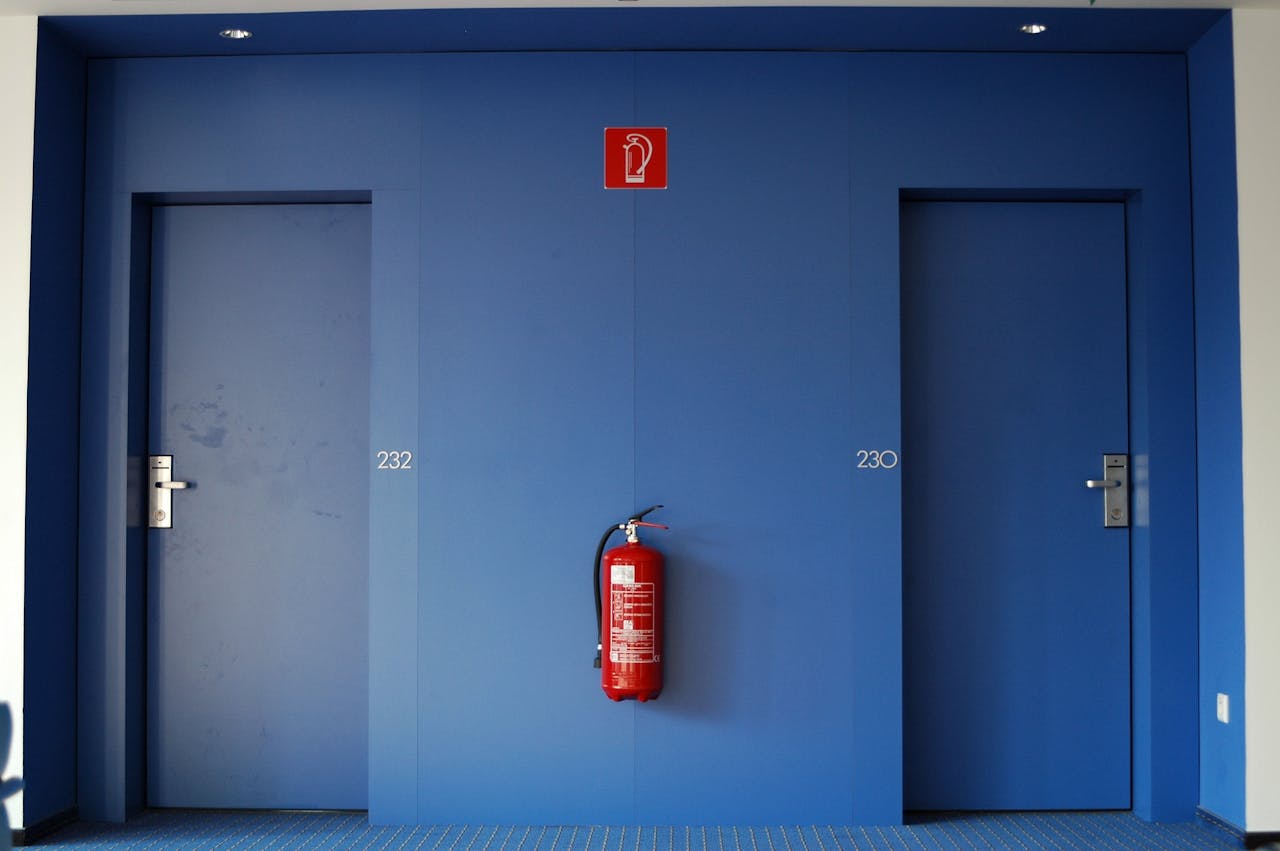
- Fire extinguishers are a basic tool, but picking the right one matters. Water-based ones won’t help on electrical fires, and foam types can cause damage when misused.
- Sprinkler systems can sound too large-scale, but smaller versions do exist. In high-stock areas or long racking systems, they offer good peace of mind.
- Fire blankets work well in kitchens, packing stations, or anywhere someone might deal with hot tools or surfaces.
Every choice depends on what kind of work happens in the space. But cluttered shelving, exposed wires, and cooking spots all deserve a second look when we’re deciding.
Making the Most of Layout and Daily Habits
Fire safety isn’t only about gear. How we move through a space each day plays just as big a part.
These habits make us safer:
- Keep walkways clear, boxes and trolleys often build up, especially during busy times
- Never prop fire doors open; they’re built to stop smoke or flame from spreading
- Watch where power units or heaters sit; some desks or shelves might be closer than we think
- Use clear signs and simple emergency maps that all staff can understand
Even a small change, like moving a printer away from a radiator or shifting a display from in front of an alarm, can make a real difference. These adjustments tend to slip during winter, when windows stay shut, and heaters run longer. Spring is the perfect time to reset those habits before they stick.
Choosing the Right Support for Ongoing Fire Safety
Managing fire risks year-round doesn’t mean we need to do everything at once. It’s about having a steady plan.
A fire risk assessment offers that. It helps us figure out which tools we really need, what needs storing better, and where new fire protection services make sense. As a UK fire safety consultancy, we provide comprehensive fire risk assessments, compliance reviews, and specialised surveys for commercial and residential properties, including shops and small warehouses. The sooner we catch risks, the easier they are to handle without major changes.
When assessments are done well, they’re not a checkbox; we learn from them. They show where day-to-day routines might be building up danger, where walkways narrow too fast, or even where signage has faded and gone unread. With the right support, those fixes come early and smoothly.
Why a Safer Setup Means a Smoother Season Ahead
There’s always a bit of spring energy in the air once March arrives. Shops rearrange displays, warehouse floors get cleared, and business tends to pick up multiple gears. That rush is a good thing, but only when the setup behind it is safe.
A fire protection plan that matches how our space is used now, not how it looked last year, helps everything run better. It doesn’t have to be flashy. Just knowing our alarms work, exits are visible, and equipment isn’t waiting to fail gives us confidence.
As routines shift with the season, safeguarding the space means people can focus on what they do best. A bit of forward thought today keeps the rest of the season running smoothly.
Keeping your premises safe goes beyond seasonal routines; it means establishing long-term habits that fit the way your business operates. Our approach to business fire safety focuses on the details that often get overlooked, from equipment placement to how walkways are managed during your busiest times.
If you are reviewing your setup this spring, this could be the perfect opportunity to assess where new or updated fire protection services can make a difference. At Embershield, we are committed to making the process straightforward and valuable. Contact us today to arrange a friendly discussion with our team.