
Fire safety is a critical concern for property owners, managers, and occupants alike
Each year, thousands of fires ignite in various types of buildings, leading to loss of life, injuries, and significant property damage. Understanding how to prevent these incidents and responding appropriately during an emergency can save lives and protect valuable assets. This post outlines essential guidelines for ensuring fire safety in buildings, covering prevention tactics, emergency preparedness, and regular maintenance checks.
Understanding Fire Safety Risks
Identifying fire risks in a building is the first step in promoting safety. Common fire hazards include:
- Faulty Wiring: Electrical problems are a leading cause of fire outbreaks. Regularly inspect wiring and devices to ensure compliance with safety standards.
- Flammable Materials: Store chemicals, cleaning supplies, and any combustible materials safely. Avoid clutter that could obstruct fire exits or create a fire hazard.
- Heating Equipment: Keep heating appliances maintained and away from flammable materials. Utilize space heaters safely and according to the manufacturer’s instructions.
- Cooking: Unattended cooking activities account for significant fire incidents. Always stay in the kitchen while cooking, and keep flammable objects away from cooking areas.
Implementing these strategies can drastically reduce the chances of fire incidents in buildings.
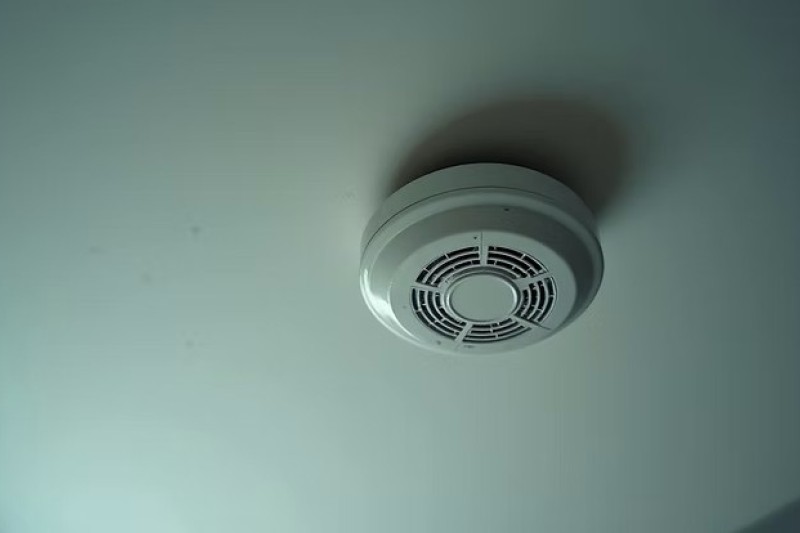
Smoke alarms are essential for fire safety in buildings.
Developing a Fire Safety Plan
Every building should have a comprehensive fire safety plan that addresses strategies for prevention, detection, and response. This plan should include:
- An Emergency Escape Plan: Create a clear layout of exit routes and conduct regular fire drills. Ensure that all occupants are familiar with the escape plan.
- Fire Alarm Systems: Invest in reliable fire alarm systems that provide early warning signals. Ensure that alarms are regularly tested and maintained.
- Fire Extinguishers: Position fire extinguishers in accessible areas. Train occupants on how to use them efficiently during an emergency.
- Communication Strategy: Establish a method for notifying occupants in the event of a fire. This includes having clear signals or alarms to alert everyone about the need to evacuate.
By ensuring everyone is well-informed and trained in what to do during a fire emergency, buildings can reduce response times and improve safety outcomes.

Fire exit signs help guide occupants safely outside during an emergency.
Regular Maintenance and Inspections
Regular maintenance is critical for mitigating fire hazards. Schedule inspections quarterly or bi-annually, focusing on:
- Fire Sprinkler Systems: Check for blockages and ensure that systems are functional. Have a qualified technician perform thorough inspections annually.
- Smoke Alarms and Detectors: Regularly test alarms and replace batteries at least once a year. Smoke alarms have a lifespan, typically of about 10 years; replace them when they expire to ensure they function correctly.
- Electrical Systems: Hire qualified electricians to inspect wiring and electrical components. Look for signs of wear or damage that could increase fire risk.
- Heating Equipment: Engage professionals for regular maintenance on heating systems. Clean chimneys, inspect furnace systems, and check ventilation to reduce fire risks.
These routine actions help maintain safety standards and protect properties from potential danger.
Educating Occupants About Fire Safety
Education is one of the most powerful tools in preventing fire-related incidents. Conduct training sessions and workshops to inform occupants about:
- Fire Risk Awareness: Teach individuals to recognize potential hazards and how to minimize them in their everyday tasks.
- Use of Fire Safety Equipment: Ensure everyone knows the location and proper use of fire extinguishers, alarms, and hoses.
- Emergency Situations: Prepare occupants on how to react during a fire, including evacuating calmly and using fire escape plans.
Statistics show that buildings with educated occupants experience fewer fire incidents and minimize injury or casualties during emergencies. Creating a culture of safety can involve informative posters, regular announcements, and visual aids on fire procedures.
Investing in Fire Safety Solutions
For businesses and property managers aiming to elevate their fire safety measures, professional fire safety solutions can provide comprehensive assistance. Services such as:
- Fire Safety Assessments: Offer expert evaluations of existing safety measures and identify gaps that could be improved.
- Fire Safety Training Programs: Develop tailored training sessions for employees or residents that cover all aspects of fire safety, from prevention to emergency response.
- Installation of Advanced Safety Systems: Ensure that state-of-the-art fire alarm and sprinkler systems are correctly installed and maintained by professionals.
Consider exploring various fire safety solutions available in the market, which can lead to a safer environment for all building occupants. For expert guidance, check out fire safety solutions.
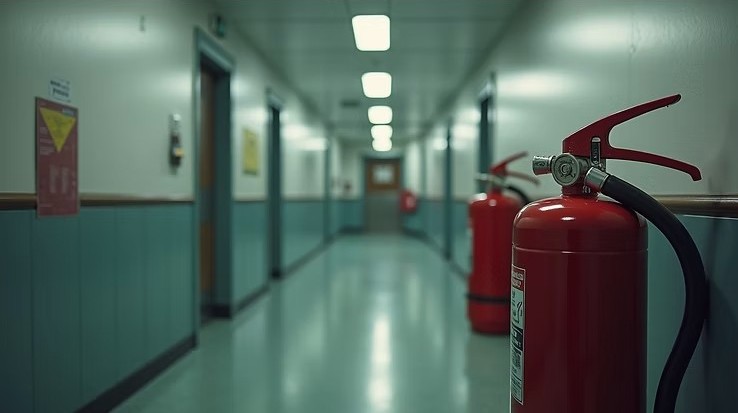
Proper placement of fire extinguishers is essential for safety.
Implementing Safety Standards and Regulations
Familiarise yourself with local fire safety regulations and the National Fire Protection Association (NFPA) codes that pertain to building safety. Compliance not only protects lives but also helps avoid legal liabilities. Key regulations usually focus on:
- Emergency Exits: Ensure all exit routes are well-marked, not obstructed, and regularly maintained.
- Occupancy Limits: Adhere to occupancy limits for buildings to ensure safe evacuations during emergencies.
- Safety Equipment Installation: Follow requirements on the types and placement of safety equipment to achieve maximum effectiveness.
Staying updated with these regulations also involves periodic consultations with fire safety experts to ensure that the building continuously adheres to changing safety standards.
By embracing these guidelines, property owners and managers can cultivate a safer environment, minimizing fire risks and ensuring the well-being of all occupants. By prioritizing fire safety practices, you can significantly reduce the likelihood of devastating incidents while fostering a culture of prevention and preparedness.