
New rules are coming next year, and for commercial buildings across Basingstoke, getting ready now can make all the difference. Fire safety compliance is changing, which means how we approach assessments, safety checks, and evacuation planning will need to shift too.
These changes aren’t just about ticking boxes. They’re tied to the safety of employees, customers, visitors, and anyone else who uses your building day to day. If we keep up with what’s ahead, we can avoid last-minute disruptions, help things run smoothly, and reduce the risk of accidents, especially during winter when incidents linked to heating and electrical faults rise.
Understanding the Importance of Compliance in Commercial Settings
Fire safety compliance is more than a yearly check. For commercial spaces like shops, offices, and warehouses, it’s about keeping buildings safe and ready if there’s ever an emergency.
We often get asked why the rules keep changing. Fire safety laws are usually updated to reflect what’s been learned after real emergencies, new research, or changes to how buildings are used. For example, a space that used to be a retail shop might now be a shared office, which brings different risks and responsibilities.
There’s another layer too. Buildings that fall short on fire safety don’t just risk fines or legal trouble, they may face longer insurance claims or even denied payouts. Landlords also carry legal duties to keep spaces safe for tenants and the public. Following fire protection rules is a shared responsibility that ties into our daily operations, building management, and duty of care.
Key Fire Safety Law Updates Coming in 2025
Next year, some noticeable changes are expected across the UK, and commercial buildings in Basingstoke will need to adjust. Here are a few areas where updates will likely appear:
- Clearer rules around signs, escape route markings, and placement of emergency equipment.
- New minimum standards for fire risk documentation, including digital copies and updates after significant changes to the building or occupancy.
- Stricter access requirements for emergency services, especially for larger properties and those in shared-use developments.
- A stronger push for consistent standards across local councils, with enforcement likely being stepped up through more frequent inspections.
We’re also expecting some changes to how fire risk assessments are formatted and reviewed. Commercial buildings may need to show evidence of regular updates, especially if the use of the premises shifts or new equipment is brought in.
It helps to know that we hold qualifications, including NEBOSH Fire Safety and Risk Management, and are skilled at managing ongoing compliance with recent fire safety legislation. Keeping up with local authority timelines for Basingstoke will help us avoid sudden deadlines.
Common Gaps Found in Current Commercial Fire Safety Plans
When we revisit fire safety plans for commercial spaces, most problems tend to appear in a few repeat areas. Here’s what we see the most:
- Fire doors that don’t close properly or haven’t been checked for wear and tear.
- Alarm systems not tested regularly or older systems lacking clear zoning or backup power.
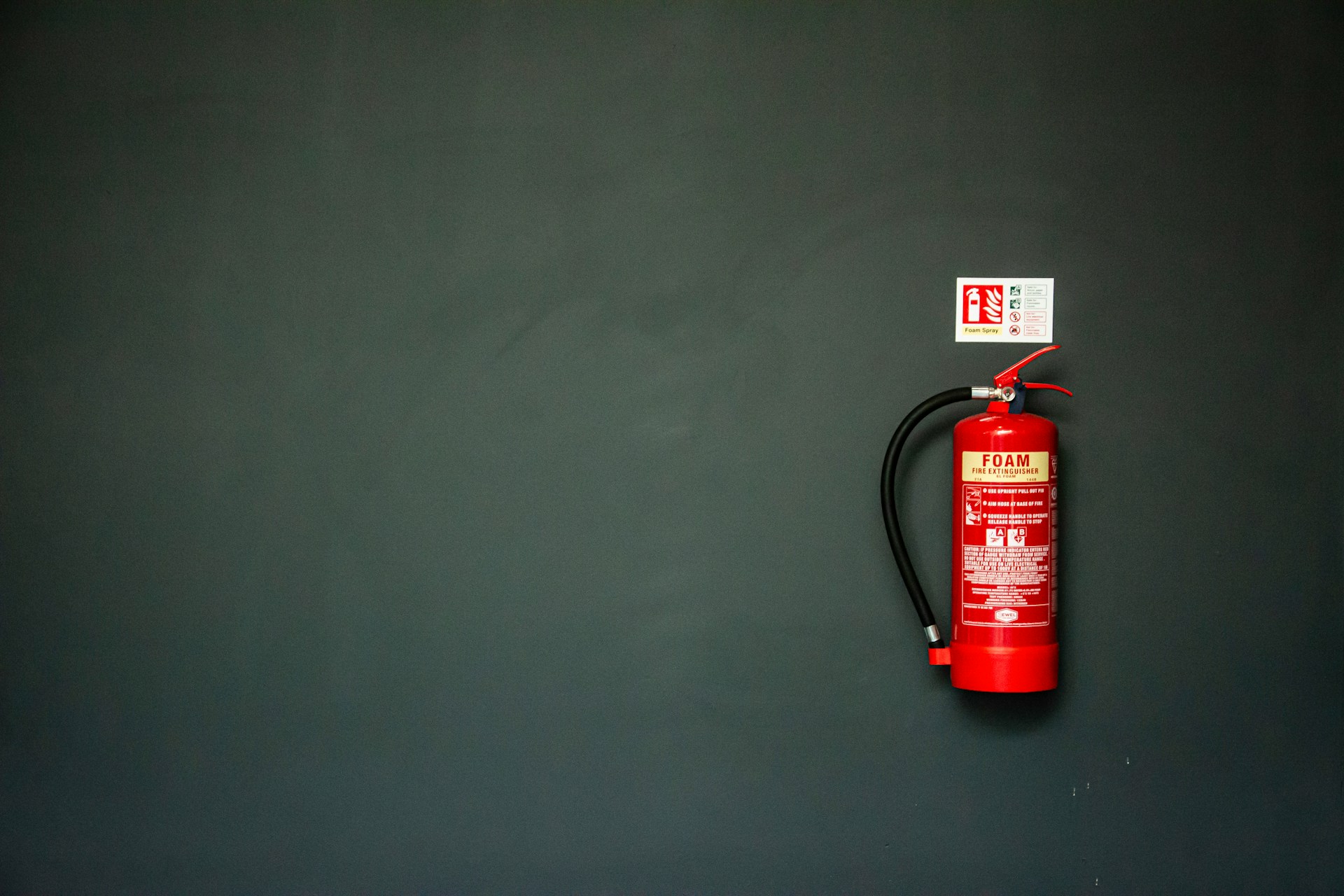
- Missing fire extinguishers or those that are expired or not suitable for the types of risks on site.
- Fire risk assessments that are over a year old or missing updates reflecting changes in building layout or usage.
- Evacuation plans that only exist on paper but haven’t been practised by the staff.
- Gaps in communication between building managers and tenants, especially when different businesses occupy shared buildings.
Training is often another issue. Staff may not know how to use emergency equipment or what their role is during an evacuation. This becomes even more important during colder months when heating systems are running and temporary extension cords or external heaters may be in use.
What Business Owners Should Do Before the New Rules Take Effect
Getting ahead now can avoid panic later. With colder and darker days ahead, this is a good time to take a fresh look at how your building handles safety, especially from a fire risk point of view.
- Book a new fire risk assessment if yours is over a year old or out of date. A commercial fire risk assessment helps uncover unseen problems and offers clear steps based on your building’s setup.
- Review your fire safety management plan. It should reflect how your building is used today, not how it was used years ago. That means checking escape routes, meeting points, signage, and procedures.
- Prepare for the heating season. Electric heaters, overloaded sockets, and faulty boiler units can all increase risks. We often see winter-triggered faults that go unnoticed until a near miss or actual fire event.
- Test your alarms and make sure fire doors are maintained. These items need to work properly in January just as well as they do in May.
- Update staff training. Everyone should know where the exits are, who the fire warden is, and how to respond to an alarm.
Even small steps like labelling fuse boxes or double-checking fire extinguisher cabinets can make a difference. Winter in Basingstoke tends to bring damp and cold conditions, which put extra pressure on wiring and appliances. Being prepared for that helps protect both property and people.
Building Peace of Mind for the Year Ahead
Fire safety compliance doesn’t have to feel like guesswork. Acting early gives us time to correct small problems before they escalate. Many checks that seem basic will actually prevent bigger headaches as new rules take hold in 2025.
With winter here and changes in law around the corner, it’s a sensible time for Basingstoke businesses to take stock and make sure their fire risk assessment is fully current. By reviewing documentation and planning exits now, we can help you spot and fix any issues before they become hazards.
At Embershield, we’ll guide you through every change so your building stays protected and ready. For local support and straightforward advice, reach out to us about fire safety compliance today.