
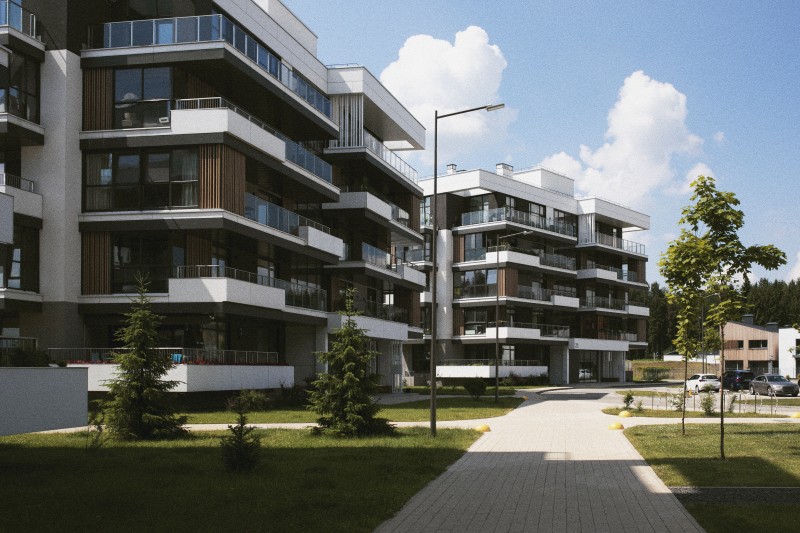
Blocks of Flats Fire Risk Assessment

Blocks Of Flats Fire Risk Assessments

Overview

If you manage a block of flats, you carry the responsibility for dozens of lives. One fire can move fast and affect people in every corner of the building. Embershield carries out detailed blocks of flats fire risk assessments so you can protect shared areas, follow the law, and care for residents with confidence.

We work with housing associations, managing agents, freeholders, resident management companies, and anyone else in charge of fire safety in residential blocks. Every building comes with trade-offs—between cost, safety, comfort, and access. We help you balance those pressures without losing sight of what matters most.

  • Fire risk assessments for both purpose-built and converted blocks
  • Knowledgeable assessors with residential fire experience
  • Straightforward action plans based on shared spaces and building layout
  • Support across single blocks and larger housing portfolios

Why Fire Risk Assessments Matter in Blocks of Flats

Blocks of flats combine homes with shared spaces—hallways, staircases, landings, lobbies, and bin areas. These areas must stay clear, safe, and planned for fire. One problem in a shared corridor can affect every home it connects.

Common fire safety problems we see in flats include:

  • Gaps in fire barriers between flats and shared areas
  • Poor fire resistance in front doors or structural walls
  • Unchecked clutter like prams, bikes, and bins in escape routes
  • Outdated stay-put plans that no longer work as intended
  • Mobility challenges for residents who may need help escaping
  • No clear separation between homes, shops, or storage areas
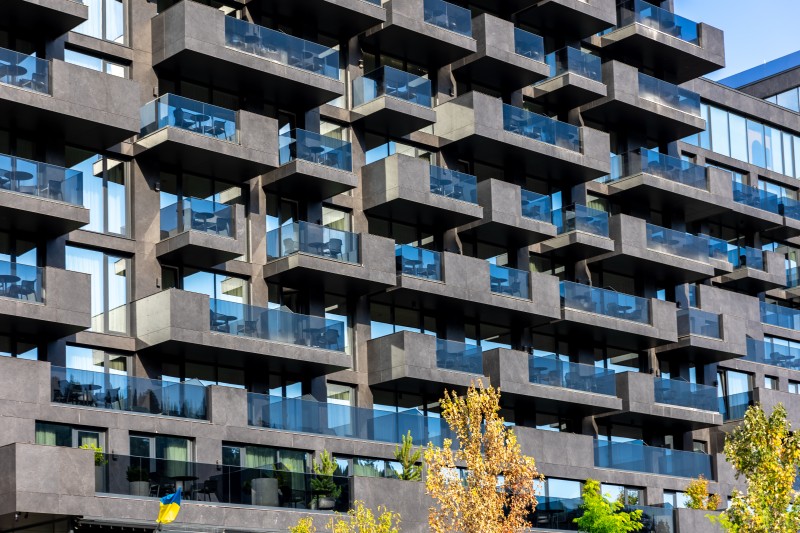
  • Fire spread across balconies or flammable wall surfaces

A flat itself may be safe, but when the shared parts fall short, that safety breaks down. Weak fire safety leads to real risk—for lives, homes, and compliance. Embershield gives you the clear answers needed to take responsible next steps.

Who We Work With

We help people who manage blocks of flats across England and Wales. Each building has its own structure, history, and people. We bring fire safety knowledge that fits your situation and building type.

Our clients include:

  • Freeholders who need to act on their legal duties
  • Resident management companies overseeing shared safety
  • Right-to-manage companies with hands-on building control
  • Private landlords with converted homes now used as flats
  • Housing associations managing long-term residential stock
  • Agents working across multiple buildings or large estates
  • Owners of shops or offices with flats above

Whether your block is small or spans an entire street, we shape our work around the needs of the building and the people inside.

What’s Covered in Our Fire Risk Assessments

We go beyond boxes on a checklist. Our goal is to understand how the building works in daily life—and where current conditions might allow fire to spread or block escape.

Shared Layout and Access Routes

We review the building’s shared structure:

  • Width and length of lobbies, stairs, and hallways
  • Entrances, exits, gates, and fire doors
  • Plant rooms, bin stores, basements, and meter cupboards

We note areas where fire or smoke could spread, or where people might get trapped or slowed down.

Flat Entrance Doors and Fire Barriers

The main protection inside a block comes from fire compartments. These stop smoke or flame between flats and shared routes.

We assess:

  • Door designs and fire resistance leading into flats
  • Service risers and cable routes that could carry smoke
  • Any open penetrations in walls, ceilings, or risers

If we see gaps in key barriers, we recommend further investigation or upgrades.

Escape Routes and Exit Plans

Your evacuation plan must match your building and residents.

We review:

  • Type of plan in place (stay put, phased, or full evacuation)
  • Travel distances and access in stairwells or fire exits
  • Back-up lighting and signs on the escape path
  • The ability of disabled or older residents to exit safely

We confirm whether your escape plan still works, or whether it needs a rethink based on recent changes.

Fire Detection and Alarms

Shared alarm systems play a big role in controlling events during a fire.

We check:

  • Alarms covering common areas
  • Smoke vents and how they connect with detection points
  • Any fire doors held open by magnets or linked systems

We align the system setup with your building’s overall fire strategy.

Balconies and External Risks

External parts of the building matter too. We review:

  • Wall surface materials under the Fire Safety Act where applicable
  • Balconies that may hold flammable items like decking or planters

If site findings suggest a closer look at wall systems, we advise further checks by qualified professionals.

Ongoing Building Use and Fire Habits

Daily life in a block affects fire risk just as much as the design.

We look at:

  • What’s being stored in shared hallways and stairwells
  • How waste and recycling are handled
  • Parking of mobility aids, bikes, and prams in common areas
  • Resident understanding of emergency procedures

You receive a list of risks and practical ways to fix them, ordered by priority.

Our Fire Risk Assessment Process

We keep our process efficient, clear, and responsive. You always stay informed about what we’re checking and why it matters.

Step 1: Getting the Facts

We start by collecting what you already know:

  • Layout drawings, number of flats, and building height
  • Dates of past assessments or recent fire service visits
  • Current strategy for escape
  • Notes on resident risks

This helps us prepare our focus before we step on-site.

Step 2: Visiting the Block

We visit at a time agreed with you and the residents. We check:

  • All common parts, internal and external
  • Stairways, doorways, exit paths, and backup entry points
  • A sample number of flat entrance doors, where access is granted

We take site photos and detailed notes for the final report.

Step 3: Reviewing the Risks

We match what we found with fire legislation and best practice guides. Every risk gets a priority score based on life safety.

Step 4: Writing Up the Report

You get a detailed report that includes:

  • A breakdown of the issues
  • Recommended fixes, ordered by urgency
  • Notes on next steps like further surveys
  • A clear summary to share with boards, residents, or regulators

Everything is written in clear terms, free of jargon or padding.

Step 5: Ongoing Help

We stick around to guide you after the report lands. You receive:

  • A walk-through of our findings
  • Advice on matching review cycles to your type of building
  • Support services like fire door surveys or focused checks for known weak spots

You stay compliant over time—not just right now.

Keeping Up with Fire Law

Fire rules for blocks of flats continue to grow. You may need to follow different legal terms based on the building’s height or layout.

Key points include:

  • Fire Safety Order 2005—for those managing common parts
  • Fire Safety Act 2021—which confirms that external walls and flat doors now often count
  • Fire Safety (England) Regulations 2022—for high-rise flats needing added checks
  • Building Safety Act—raising the bar for documentation and known risks in taller blocks
  • The legal need for clear, current, and “suitable” fire risk assessments

We help you cut through these laws with focused steps, easy-to-follow records, and answers you can trust when questions arise.

Why Work with Embershield?

Fire safety in a block of flats demands more than a fine-tooth comb. It needs people who’ve stood in your shoes—or close to it. Embershield brings that real-world experience every time.

We provide:

  • Assessments led by experts with service in the British Army and fire and rescue
  • Experience with blocks across the public and private housing sectors
  • Accreditation from trusted professional bodies
  • Output you can share with boards, landlords, or regulators without rewriting it
  • Services beyond the report, such as fire door or stopping checks when you need them

Flat blocks bring challenges. We bring the backup to face them.

Blocks of Flats Fire Risk Assessment FAQs

How often should we review the fire risk assessment?

You should review annually, and again after major works or a fire. Changes in layout or law also make a new check necessary.

Who must arrange the fire risk assessment?

The legal responsibility belongs to whoever manages the building’s shared spaces. That’s often a freeholder, landlord, or managing agent.

Will you enter individual flats?

We check flat entrance doors from shared halls. We only go further if it relates to common safety—and we always work with residents to gain access the right way.

How disruptive is the inspection?

Minimal. We focus on communal areas and move carefully. If we need access to doors or risers, we coordinate in advance.

What if serious problems come up?

We rank each problem by how urgent it is. That helps you focus on key issues first. We can also support your next steps.

Can you work across an entire estate?

Yes. We manage consistent reporting and ratings across multiple blocks, making it easy to plan repairs across your portfolio.

Act Now to Protect Residents and Stay Compliant

Fire safety in flats can’t wait until a review is overdue or a fire starts the alarm. Get ahead with a clear report you can trust and a plan that won’t overwhelm your team or budget. Request expert help with your fire risk assessment today, and take the first step toward full compliance. Don’t leave safety to luck—give us a call on 01256 672681 or send your info to info@embershield.uk to get things moving now.

Blocks of Flats Fire Risk Assessment

Experienced, Certified Assessors providing Tailored Solutions

With Embershield, you get more than just a fire risk assessment — you get a partner who understands the nuances of fire safety in your premises. We evaluate current safeguards, identify gaps, and deliver bespoke action plans to keep your building compliant, your people safe, and your liability protected.

GET A FREE QUOTE