
Fire safety in HMOs is something landlords can’t afford to overlook. With more people living under one roof and more chances for things to go wrong, managing a shared home needs extra thought. Fires don’t wait for anyone, and with winter setting in, now is a smart time to make sure everything’s in place.
Shared spaces mean shared responsibility. But when it comes to legal ownership, it all falls back on the landlord. Whether you’re renting to students, families, or working tenants, there’s a duty to keep them safe. Here’s what we should all know if we manage or rent out HMOs.
What Counts as an HMO and Why It Matters
A House in Multiple Occupation, or HMO, is any property rented out by at least three people who aren’t from the same household but share facilities like a bathroom or kitchen. It’s common in student housing, shared flats, or bedsits.
The reason this matters is simple. With more people sharing one space, you’ve got more chances for accidents, especially fire. Someone leaving the hob on or blocking the hallway with a bike might sound small, but in an emergency it can be a big deal.
Being a landlord of an HMO isn’t just about collecting rent. It’s a legal role with set duties. That includes keeping the property safe, especially from fire hazards, and making sure the right prevention and escape measures are in place.
Common Fire Risks in Shared Homes
HMOs come with a few typical risks we’ve seen over and over. Some of them might seem basic but can cause real trouble if not addressed. Here are a few things to watch for:
• Shared kitchens are busy spots where accidents often start. Everyone cooks at different times. Fat fires, forgotten ovens, and overcrowded electrical plugs all pose real danger.
• Crisscrossed phone chargers, kettles, heaters, and toaster ovens all fighting over plug space is another issue. Cheap extensions and overcrowded sockets? That’s a common problem in older rentals.
• Escape routes, like shared hallways or stairwells, often get blocked. Bikes, laundry stands, shoes, parcels. In an emergency, these can slow people down or stop them from getting out.
When people move in and out a lot, like in student rentals or workhouse lets, it’s hard to keep the place consistent. It’s even harder to know if tenants are following fire rules. Add in visitors who don’t live there, and it’s one more layer of unknown risk.
What Fire Safety Standards Must Be Met
Fire safety rules in HMOs are clear, and they apply whether you’re running one flat or a full building. Some duties come from the Housing Act, others from fire safety law. Either way, here are a few basics landlords are expected to get right:
• Every HMO must have a fire risk assessment on file.
• Alarms should be fitted properly. That includes smoke detectors in hallways and lounges and heat alarms in kitchens.
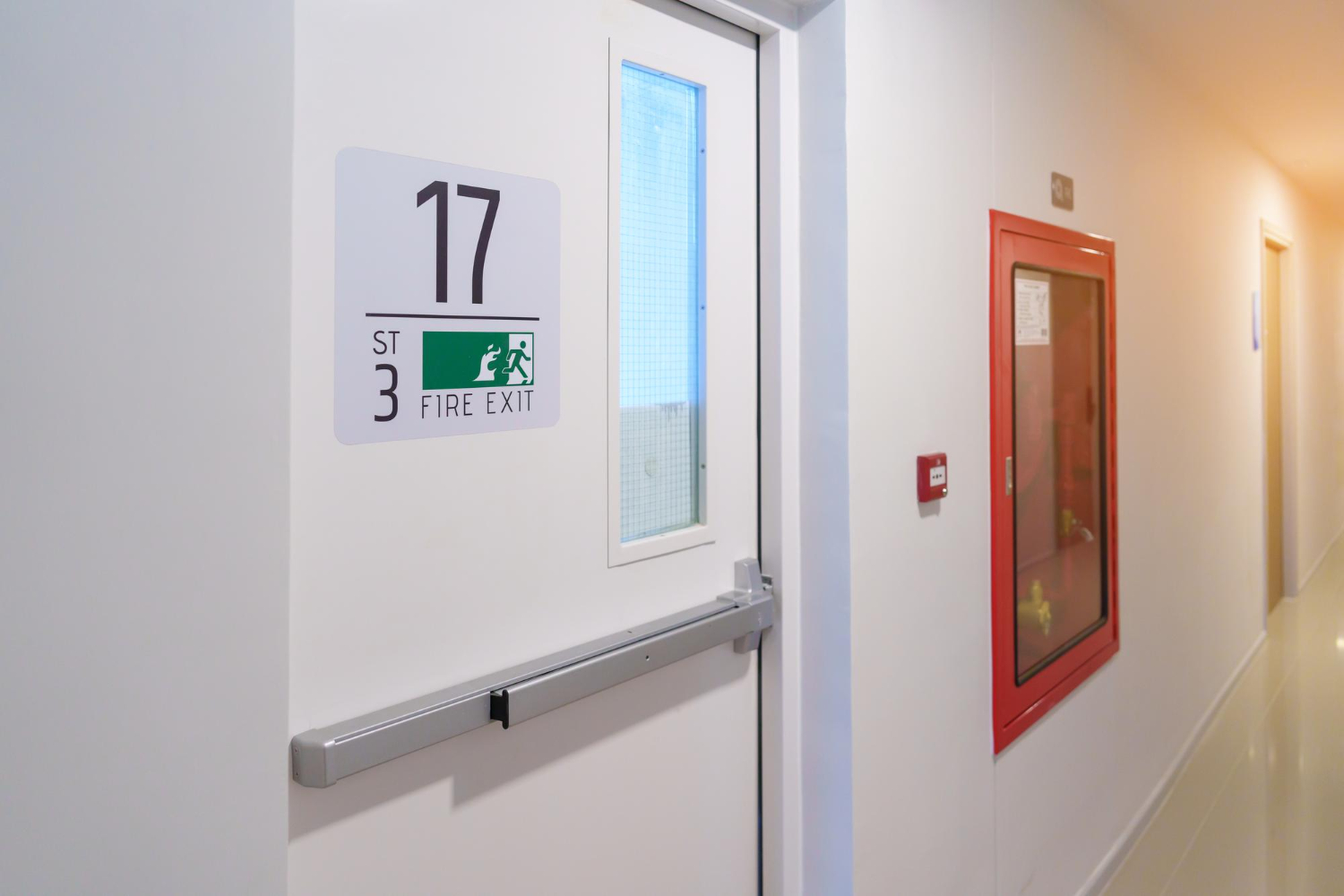
• Escape routes need to be protected. That often means solid fire doors, door closers, and fire-resistant walls.
• In bigger HMOs, or those with more floors, emergency lighting and extra alarms may be required.
Older buildings might need extra thought. If they’re not purpose-built as HMOs, fire protection from room to room might be weaker. And if the HMO is licensed, councils might ask for even more safety steps. It’s always worth checking the latest rules in your area to stay compliant.
Fire Risk Assessments for HMOs: Who Does Them and How Often
Landlords are legally required to keep a written fire risk assessment for every HMO. And it’s not just a point-in-time checklist. It must reflect the current layout and usage of the property.
We always recommend bringing in someone who knows what to look for. Our fire risk assessments include a full evaluation of ignition sources, escape routes, fire detection, evacuation arrangements, and existing fire protection, then set out a detailed report with clear, prioritised actions, estimated remediation costs, and suggested timelines. A proper assessment will check things like escape routes, alarm placements, electrical risks, and building layout. It should include recommendations if anything’s off.
Even if everything seems fine, updates still need to happen from time to time. Anytime you upgrade a kitchen, change the internal walls, or shift how the space is used, the fire risk assessment should be reviewed. We advise landlords to check it at least yearly or anytime something changes. We have extensive experience delivering commercial and residential fire risk assessments for property landlords and managing agents across the South of England, so reviews can be built into your ongoing property management cycle.
Helping Tenants Follow Fire Safety Rules
The best plans still rely on people getting out quickly and calmly in an emergency. That means tenants need to know what’s expected of them.
Here are a few smart habits that help:
• Post simple signs near exits and alarms explaining what to do in case of fire.
• Add fire safety tips to your welcome pack or tenancy agreement. Keep it short and clear so no one ignores it.
• Do informal checks during maintenance visits. Look for blocked exits, broken alarms, or overloaded plugs.
• Schedule practice drills or walk tenants through escape routes once or twice a year.
Tenants aren’t always aware of fire dangers. But with a little effort, you can make fire safety a shared responsibility. When rules are easy to follow, people are more likely to stick to them.
Keeping Shared Homes Safe for the Long Term
Fire safety in HMOs isn’t something you set once and forget. It’s a series of small, steady efforts that keep the property safe and the tenants protected.
Staying alert to risks, keeping up with legal updates, and checking in regularly all help landlords keep control of their responsibilities. Most fires are preventable, but the habits that prevent them don’t happen by accident.
Whether it’s winter or any other season, shared homes deserve a plan that protects everyone living inside. When landlords take the lead, tenants follow, and that makes all the difference.
Making sure every shared home is safe takes more than working smoke alarms. We help landlords stay ahead of their responsibilities with clear checks and sound advice that’s easy to follow. If you’re unsure where to begin or want to make sure nothing’s been missed, we can walk you through the steps needed to improve fire safety in HMOs. Landlords don’t have to manage the details alone. Get in touch with Embershield to discuss the right next step for your property.